News & Tips › Seasonal Tips
Seasonal Tips
Winter Safety Tips for Seniors in Colorado
Sunny one day, a snowstorm the next. Simple ways to prevent falls, stay warm, prepare for outages and get help with heating bills this winter.
· 3 min read · By the AVA HomeCare team
Key points
- Ice on steps and walkways is the biggest winter risk. Clear early, add traction and use handrails.
- Keep the home at 68–70°F or warmer, as the National Institute on Aging recommends.
- Colorado’s LEAP program helps eligible households with heating bills, with applications open Nov 1–Apr 30.
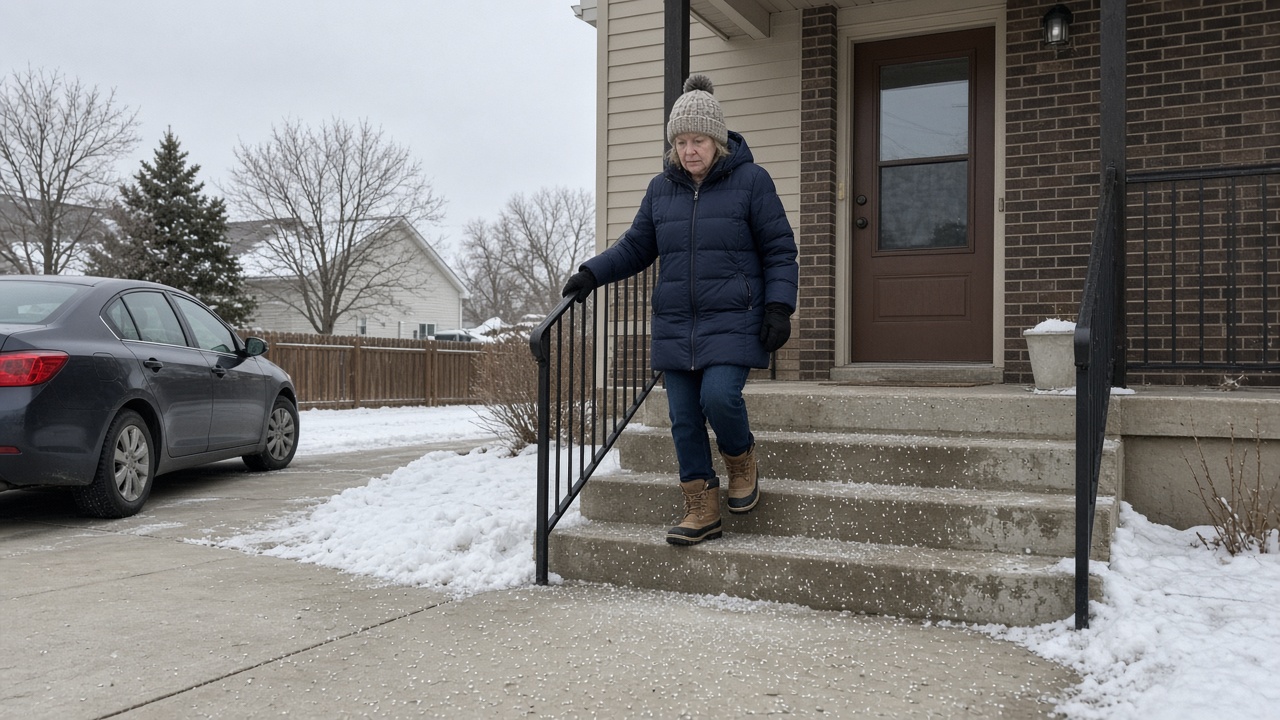
Colorado winters are famous for sunshine, but anyone who has lived here knows how fast a sunny afternoon can turn into a snowstorm. Snow melts during the day and refreezes at night, leaving ice on steps and driveways that can look completely dry. Here’s how to help an older loved one stay safe and comfortable until spring.
1. Make steps and walkways safer
- Clear snow early, before it gets packed down, and use ice melt or sand on steps and paths.
- Make sure there are sturdy handrails and good outdoor lighting.
- Choose boots with good tread, and keep a mat inside the door for wet shoes.
- Outside, take short, slow steps with your weight over your feet, and keep your hands free (not in your pockets) for balance.
- Skip the icy trip to the mailbox. Ask a neighbor or family member to bring in the mail and newspaper.
2. Keep the home warm enough
Older adults can lose body heat quickly, sometimes without noticing. The National Institute on Aging recommends setting the heat to at least 68–70°F, because even a mildly cool home (60–65°F) can lead to hypothermia in older adults. Dress in layers indoors, wear socks and slippers, and keep a warm blanket by a favorite chair. Have the furnace checked before the cold sets in.
3. Know the signs of hypothermia
According to the NIA, warning signs include slowed or slurred speech, sleepiness or confusion, shivering or stiffness in the arms and legs, poor control over body movements, slow reactions and a weak pulse.
Some health conditions and medicines, including some over-the-counter cold remedies, can make it harder for the body to stay warm. Ask the doctor or pharmacist whether any of your loved one’s medicines raise the risk.
If you think someone has hypothermia, call 911 right away and move them to a warmer place.
4. Heat safely
- Test smoke and carbon monoxide alarms, and make sure there’s a CO alarm near the bedrooms.
- Keep space heaters at least 3 feet from beds, curtains and furniture, plug them straight into the wall, and turn them off at bedtime or when leaving the room.
- Never use the oven, stove or a grill to heat the home.
5. Be ready for storms and power outages
Keep flashlights and fresh batteries where they’re easy to find, a charged phone or power bank, extra blankets, easy-to-make food, water, and enough medication to last through a few snowed-in days. Post a list of important phone numbers on the fridge, including family, the doctor and the utility company.
6. Drink water and stay connected
Colorado’s dry air makes it easy to get dehydrated in winter too, so keep a glass of water within reach. Snowy weeks can also mean days without seeing anyone. A daily phone call at the same time, a neighbor who checks in, or a regular visitor can make winter feel much shorter.
7. Get help with heating bills
The Colorado Low-income Energy Assistance Program (LEAP) helps eligible households pay part of their winter heating costs. Applications are accepted from November 1 to April 30, online through Colorado PEAK or through your county human services office. For help or a paper application, call 1-866-HEAT-HELP (1-866-432-8435).
8. Plan errands before the weather turns
Stock up on groceries, prescriptions and household basics when a storm is in the forecast, so no one has to go out on icy roads. Grocery delivery, a family member, or a caregiver running errands on their own can keep the pantry full.
How a caregiver can help this winter
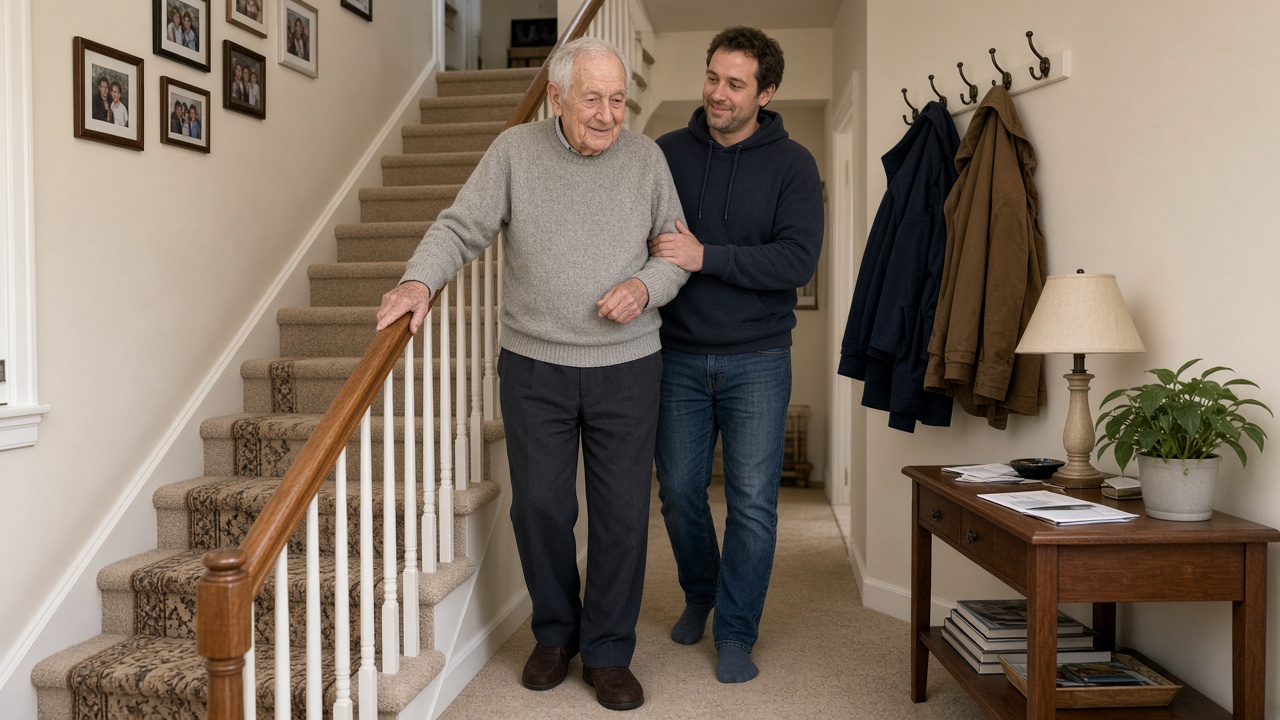
An AVA HomeCare caregiver can help your loved one move safely around the home, prepare warm meals, keep floors clear of tripping hazards, give medication reminders, pick up groceries and prescriptions before a storm, and be someone who notices when something isn’t right.
Want a little extra help at home this winter? Call 720.937.1500 or send us a message, and we’ll talk through what would make the season easier.
Official sources
- National Institute on Aging: Cold Weather Safety for Older Adults
- National Institute on Aging: Hypothermia, a cold weather hazard
- Colorado Department of Human Services: LEAP
Facts last checked October 4, 2026. This article is general information, not legal, medical or benefits advice.