News & Tips › Family Guides
Family Guides
7 Signs Your Loved One May Need Help at Home
Changes often happen slowly. Here are seven signs families notice first, and gentle ways to start the conversation about getting help.
· 3 min read · By the AVA HomeCare team
Key points
- Small changes add up: look at the home, meals, personal care, mobility and mood.
- Write down what you notice and when, then talk with your loved one’s doctor.
- Starting with a few hours of help a week is often easier than waiting for a crisis.
Changes in an older parent or spouse rarely happen overnight. They creep in slowly, and they’re easy to miss when you see someone every day, or easy to explain away when you only visit on holidays. Here are seven signs families often notice first.
1. The house looks different
Piles of unopened mail, dishes in the sink, laundry that never gets done, or spoiled food in the fridge can mean everyday chores have become too tiring or too hard to keep track of.
2. Meals are being skipped
Look for weight loss, an almost empty fridge, expired food, or living on toast and snacks. Cooking takes energy, planning and standing for a long time, and it’s often one of the first things to go.
3. Personal care is slipping
Wearing the same clothes for days, unwashed hair or skipped showers usually aren’t about not caring. Often the bathtub has started to feel unsafe, or getting dressed takes more effort than it used to.
4. Moving around has become harder
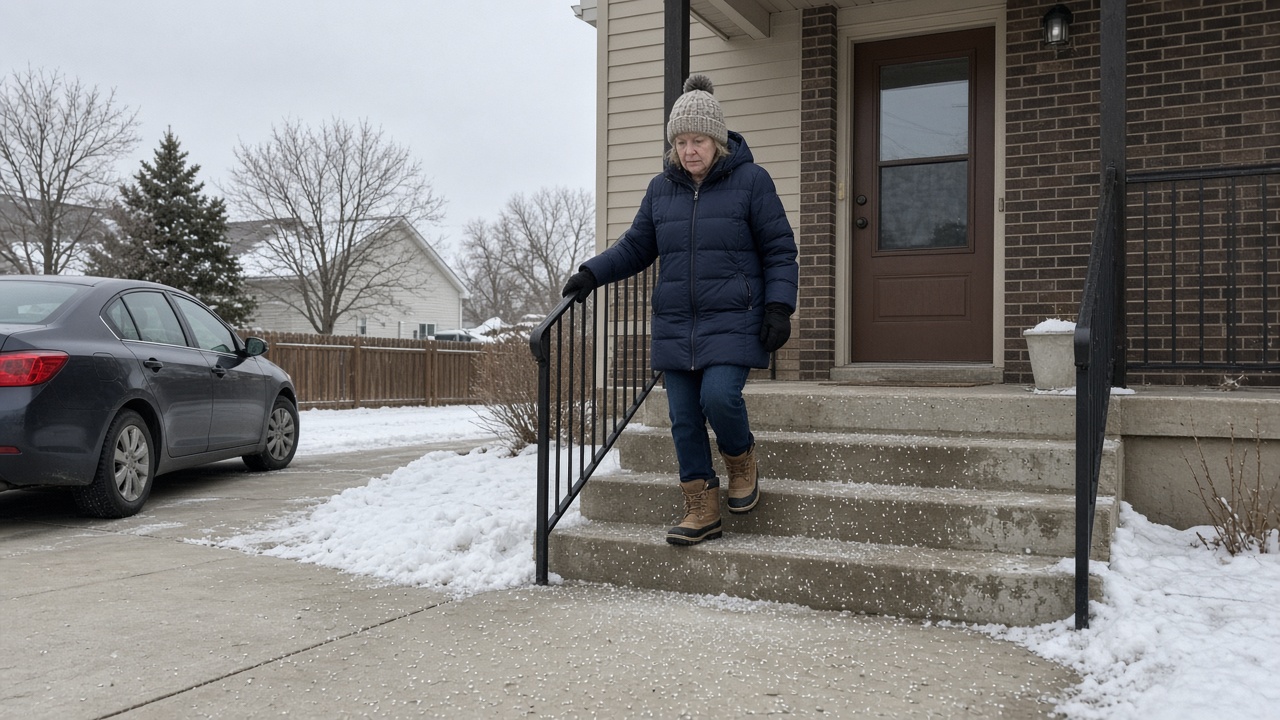
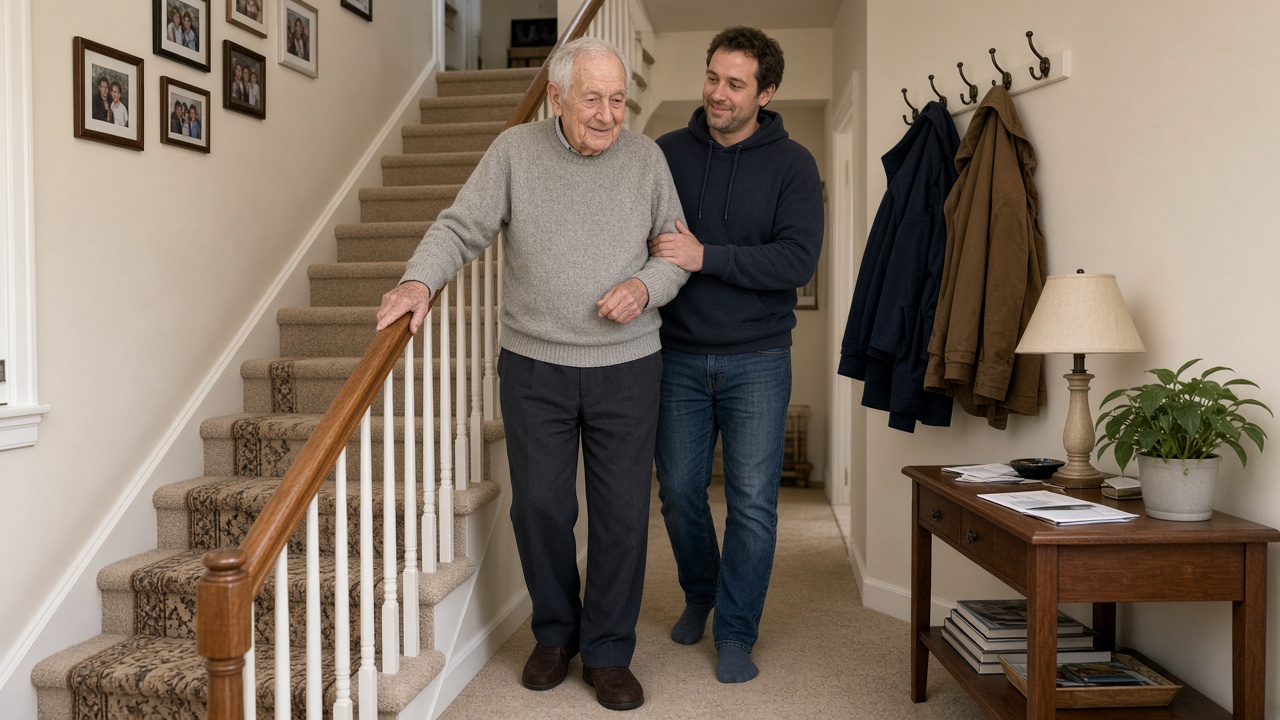
Holding on to furniture to cross a room, new bruises, avoiding the stairs, or a fall (even one that “wasn’t a big deal”) are worth taking seriously. Falls are one of the main reasons older adults lose their independence.
5. Medications are being missed or mixed up
Pill bottles that stay full, refills that run late, or confusion about what to take and when can lead to real health problems. Talk with the doctor or pharmacist about simpler routines.
6. They seem lonely or withdrawn
Giving up hobbies, church, clubs or time with friends, or seeming down most of the time, can be a sign that getting out has become hard, or that loneliness is setting in. Loneliness affects health as much as it affects mood.
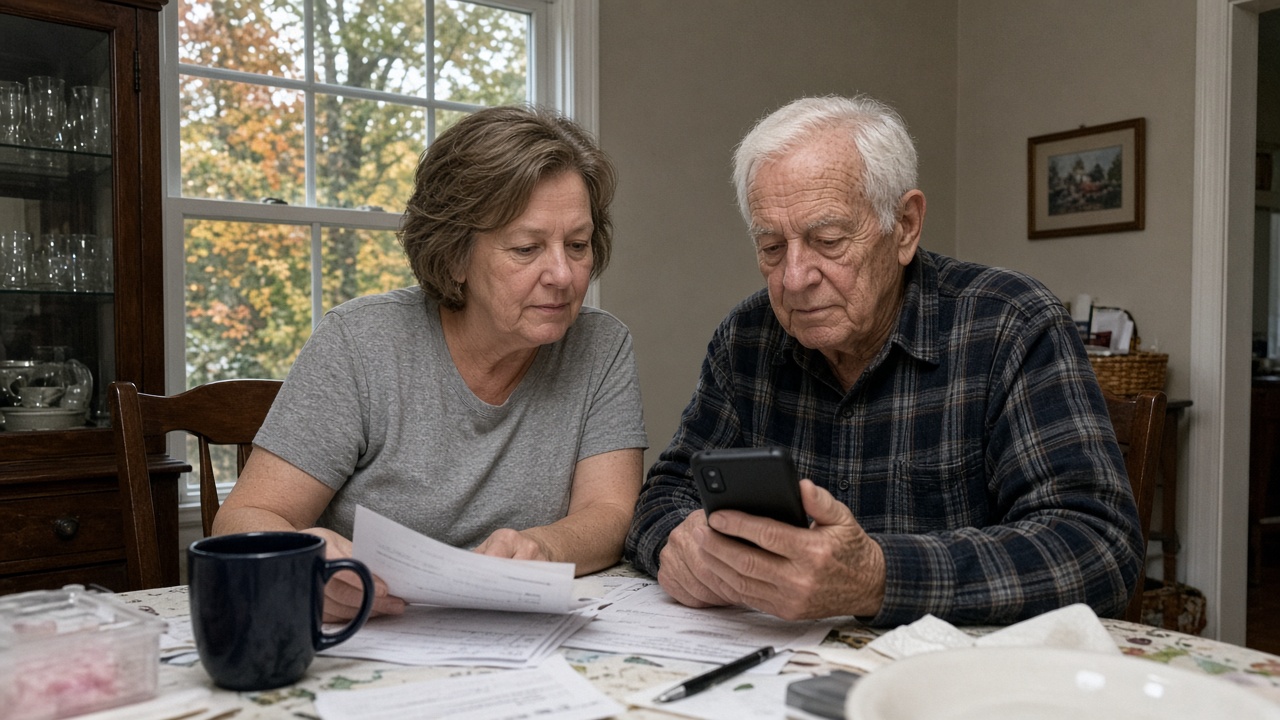
7. Bills, mail and appointments are slipping
Late notices, missed appointments or the same question asked several times can point to memory changes. These are worth mentioning to a doctor, because some causes can be treated.
Call 911 for sudden changes: new confusion, a fall with injury, trouble speaking, or weakness on one side of the body.
And one more sign: you’re worn out
If you’re the one doing the cooking, driving, laundry and worrying on top of your own job and family, your exhaustion is a sign too. Getting help isn’t giving up. It’s how many families keep caring for a loved one at home for longer.
What to do next
- Write down what you see and when. Specific examples help doctors, case managers and care agencies understand the situation.
- Talk with the doctor about falls, weight loss, memory or mood changes.
- Have the conversation gently. Pick a calm moment, start with what your loved one wants (usually to stay at home), and offer small steps: “What if someone came by twice a week to help with laundry and meals?”
- Start small. A few hours a week can make a big difference, and you can add more as needs change.
If cost is a worry, it helps to know the main ways families pay for non-medical home care in Colorado: Health First Colorado (Medicaid) for people who qualify, long-term care insurance, and private pay. Our guide How to Get Home Care Through Medicaid in Colorado walks through the Medicaid steps.
How non-medical home care can help
A caregiver from AVA HomeCare can help with bathing, dressing and grooming, light housekeeping and laundry, meal planning and preparation, medication reminders, companionship, and errands like groceries and prescriptions, which the caregiver runs on their own. We care for clients in their own homes. We don’t provide nursing or medical care, and our caregivers don’t drive clients.
Noticing some of these signs? Let’s talk. Call 720.937.1500 or send us a message. The first conversation is free and comes with no pressure.